
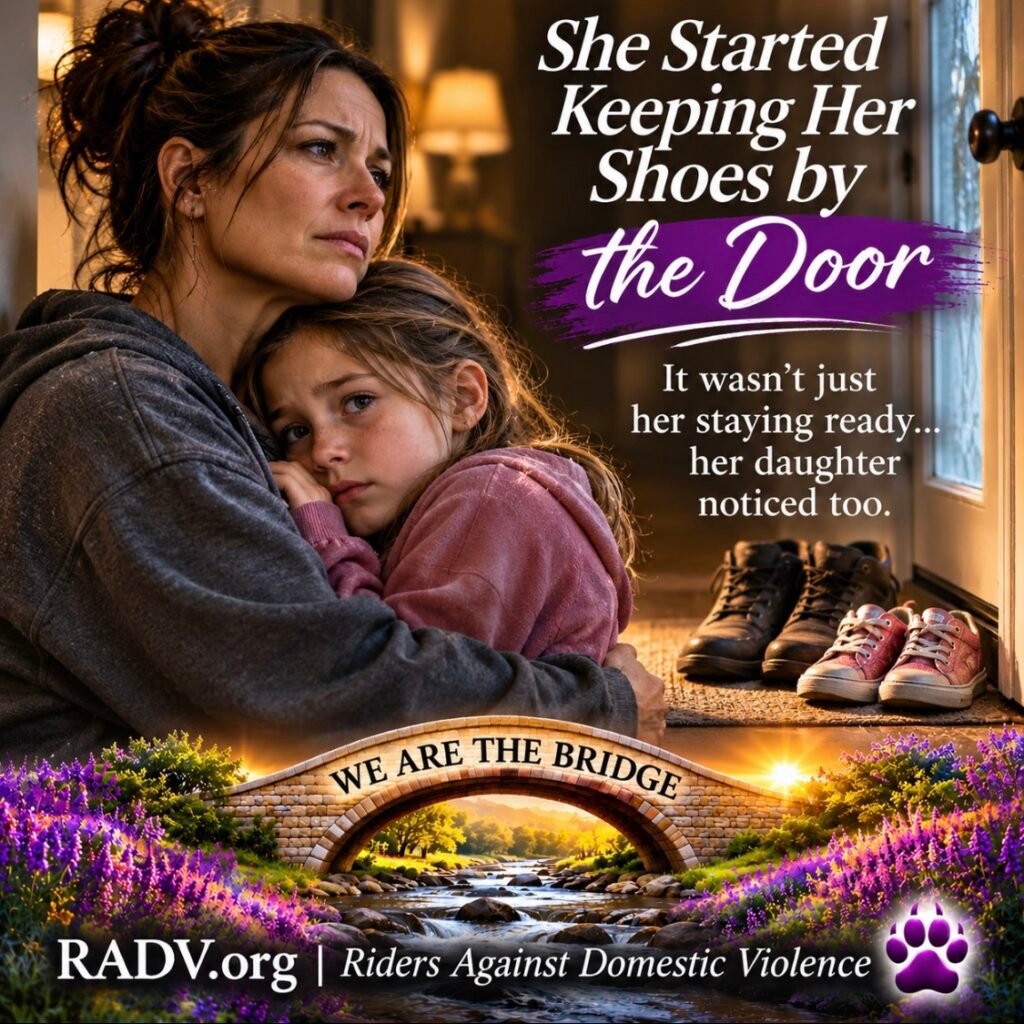
The first time Rebecca slept in her clothes, she told herself it was because she was tired.
She’d gotten home late from work, helped her eight-year-old daughter, Emma, finish a school project, and cleaned up the kitchen.
By the time she climbed into bed, she didn’t feel like changing.
But that wasn’t the whole truth.
Her husband, Mark, had been drinking.
And lately, when Mark drank, Rebecca never knew what kind of night they were going to have.
Sometimes he fell asleep in front of the television.
Other nights, he’d wander into the bedroom looking for an argument.
Rebecca had learned to listen for his footsteps.
She could tell by the way he walked down the hallway whether she needed to pretend to be asleep.
That night, she kept her jeans on.
Just in case.
Little Things Nobody Noticed
Rebecca had a routine.
Every evening, she made sure Emma’s backpack was packed and sitting beside the kitchen counter.
Her car keys went in the same bowl near the front door.
Her purse stayed on the chair instead of hanging in the bedroom closet.
And her shoes?
She started leaving them beside the door.
At first, she didn’t think much about it.
They were ordinary things.
But she knew exactly why she was doing them.
If she ever needed to get Emma out of the house quickly, she didn’t want to waste time looking for anything.
She never told anyone that.
Not her coworkers.
Not her mother.
Not even her best friend, who had started asking why she seemed so tired.
Rebecca always had an explanation.
“Just busy.”
“Didn’t sleep well.”
“Emma’s been keeping me up.”
Nobody knew that sometimes Rebecca lay awake listening to the television in the other room, waiting to hear whether Mark was coming down the hallway.
The Night Emma Asked
It was a Tuesday.
Rebecca remembered because Emma had spelling homework spread across the kitchen table.
Mark came home irritated.
Something had gone wrong at work, and he wanted everyone to know about it.
He complained about dinner.
Then about the dishes.
Then about the fact that Emma had left her crayons on the coffee table.
Rebecca tried to keep things calm.
“I’ll pick them up,” she said.
Mark slammed his hand against the counter.
“I shouldn’t have to tell you people how to keep a house!”
Emma jumped.
Rebecca saw it.
That quick little movement of her daughter’s shoulders.
The way her eyes immediately went to her father’s face.
Rebecca recognized that look.
She’d been wearing it herself for years.
Later, while Rebecca tucked Emma into bed, her daughter asked a question.
“Mommy, is Daddy mad at me?”
“No, sweetheart.”
“Then why does he yell when I’m here?”
Rebecca sat down on the edge of the mattress.
She wanted to explain.
She wanted to tell Emma that grown-ups sometimes get frustrated.
That Daddy had a hard day.
That things would be better tomorrow.
Those were the explanations she’d been giving herself for years.
But looking at her daughter’s face, she couldn’t bring herself to repeat them.
Instead, she said, “You didn’t do anything wrong.”
Emma pulled the blanket closer.
“Do you get scared too?”
Rebecca felt something tighten in her chest.
She brushed the hair away from Emma’s forehead.
“Yes,” she whispered. “Sometimes I do.”
The Shoes
The next morning, Rebecca was making coffee when Emma came into the kitchen.
Her daughter was carrying a pair of sneakers.
“Mommy, where should I put these?”
“By your backpack, honey.”
Emma shook her head.
“No. I mean by the door. Like yours.”
Rebecca stopped pouring the coffee.
“Why?”
Emma looked confused.
“So I’ll be ready if we have to go.”
Rebecca stared at her daughter.
Eight years old.
And already learning how to prepare for something she couldn’t predict.
Rebecca knelt in front of her.
“Emma, why do you think we might have to go?”
Her daughter shrugged.
“Because sometimes Daddy gets really mad, and you look at the door.”
Rebecca didn’t know what to say.
She had spent so much time trying to hide her fear that she hadn’t realized Emma was learning it anyway.
Not because Rebecca had told her to be afraid.
Because children notice things adults think they’re concealing.
The shoes.
The keys.
The way their mother stopped talking when their father entered a room.
The way everyone waited to see what kind of mood he was in.
Emma had been watching.
And learning.
The Phone Call
That afternoon, Rebecca sat in her car during her lunch break.
She opened her contacts and found her sister’s number.
For several minutes, she just stared at it.
Her sister, Karen, had asked questions before.
Was everything okay at home?
Did Mark still lose his temper?
Did Rebecca ever want to come stay for a while?
Rebecca had always brushed her off.
She didn’t want to cause trouble.
She didn’t want people judging her marriage.
And she was afraid of what might happen if Mark found out she’d been talking about him.
But now she kept hearing Emma’s voice.
So I’ll be ready if we have to go.
Rebecca pressed Call.
Karen answered on the third ring.
“Hey, stranger.”
Rebecca tried to speak.
Nothing came out.
“Becca? You okay?”
She wiped her eyes.
“Karen, I need to tell you something.”
Her sister’s voice changed.
“I’m listening.”
Rebecca told her about the yelling.
About the nights she stayed awake.
About the shoes beside the door.
And finally, about Emma.
Karen didn’t interrupt.
When Rebecca finished, her sister said, “I’m glad you called.”
Rebecca looked through the windshield at people walking into the grocery store across the parking lot.
“I don’t know what I’m supposed to do.”
“You don’t have to figure everything out right now,” Karen said. “But we can find someone who can help you understand your options.”
For the first time, Rebecca wasn’t trying to convince someone that everything was fine.
She was telling the truth.
What Happened Next
Rebecca didn’t make a dramatic announcement.
She didn’t confront Mark that evening.
And she didn’t assume that leaving would be simple or safe.
There were things she needed to understand.
Money.
Housing.
Emma’s school.
What Mark might do if he believed she was planning to leave.
With Karen’s support, Rebecca contacted a domestic violence advocacy service from a phone Mark couldn’t access.
The advocate listened and helped her begin thinking through safety options for herself and Emma.
Rebecca learned that she didn’t have to wait for physical violence to ask for help.
She learned that a safety plan was more than packing a bag.
And she learned that someone could help her consider the risks without making decisions for her.
That night, Rebecca tucked Emma into bed.
Her daughter pointed toward the hallway.
“Mommy, are our shoes still by the door?”
Rebecca sat beside her.
“Yes, sweetheart.”
Emma nodded.
Then Rebecca took her daughter’s hand.
“Listen to me. Keeping us safe is my job, not yours. You don’t have to worry about figuring everything out.”
Emma leaned against her.
Rebecca held her for a long time.
She couldn’t promise that everything would be easy.
But she was no longer pretending there was nothing wrong.
And that was where her next chapter began.
When Children Begin Preparing for Danger
Children who live around intimidation, threats, explosive anger, or domestic abuse may become unusually alert to the moods and behavior of adults.
Some begin watching for warning signs, avoiding certain conversations, or trying to prevent conflict.
Others may quietly develop routines that help them feel prepared.
A child doesn’t have to witness physical violence to be affected by fear in the home.
And a parent experiencing abuse may be doing everything possible to protect their children while also facing serious barriers to safety.
The responsibility for abusive behavior belongs to the person choosing that behavior—not to the survivor or the child.
Recognizing that a child is being affected can be painful. It can also become an opportunity to seek informed support.
Leaving an abusive relationship can increase danger in some circumstances. A qualified domestic violence advocate can help survivors evaluate their individual situation and develop a personalized safety plan.
We Are the Bridge
At Riders Against Domestic Violence, we understand that asking for help isn’t always as simple as walking out the door.
Survivors may be worried about their children, finances, housing, pets, retaliation, or what comes next.
That’s why access to reliable information and professional support matters.
RADV helps connect survivors with resources so they can explore their options and find a path forward.
Visit https://radv.org and explore our Find Help resources.
If someone may be monitoring your device or online activity, consider using a safer device to seek assistance.
If you or your child is in immediate danger, contact emergency services when it is safe to do so.
This is a fictional story written to illustrate experiences that may occur in homes affected by domestic abuse.
Riders Against Domestic Violence (RADV)
We Are the Bridge